Buy botanicactus.com ?
We are moving the project
botanicactus.com .
Are you interested in purchasing the domain
botanicactus.com ?
domain@kv-gmbh.de · 0541-91531010
Buy botanicactus.com ?
How does genetic modification of genetic information work?
Genetic modification involves altering the genetic information of an organism by introducing new DNA into its genome. This can be achieved through various techniques such as gene editing using tools like CRISPR, or by introducing foreign DNA into the organism through a process called transgenesis. The new DNA can be designed to add, delete, or modify specific genes, which can result in changes to the organism's traits or characteristics. Genetic modification has the potential to create organisms with improved traits, such as increased resistance to diseases or improved nutritional content. **
What is the difference between genetic and genetic engineering?
Genetics refers to the study of genes, heredity, and variation in living organisms. It involves understanding how traits are passed down from one generation to the next. On the other hand, genetic engineering is the deliberate modification of an organism's genetic material using biotechnology. This can involve altering specific genes to achieve desired traits or characteristics. In essence, genetics is the study of natural genetic processes, while genetic engineering involves the intentional manipulation of genetic material for specific purposes. **

Similar search terms for Genetic
Top-Angebote
Products related to Genetic:
-
Tula Standard Canvas Baby Carrier - CactiJust because it's cold outside doesn't mean we can't hold onto our own little sunshine!! Adorned in desert flora and sunbursts, let's welcome our Tula Baby Carrier: 'Cacti'! Ergonomic M-position seatsupporting safe development for babys body;...149,00 $*Shipping: 0,00 $Secure redirect to the provider
-
Frances Lincoln New Wild Garden & RHS Wildlife Gardening 2 Books Collection Set – Gardening Guide CollectionNew Wild Garden Natural-style planting and practicalities By Ian Hodgson & RHS Companion To Wildlife Gardening By Chris Baines 2 Books Collection Set: New Wild Garden: Natural-style planting and practicalities: The New Wild Garden combines new approaches to a more naturalistic design with the practical side of growing wildflowers and shows how to incorporate wildflowers, real meadows and a looser prarie-style planting into gardens and wild spaces.With serious concern into the decline of pollinators and habitats, meadows are currently the focus of enormous creativity. Gardeners, wildlife lovers, professional designers and seed manufacturers are all pushing the envelope of what can be grown, the pictorial effects that can be achieved, and the benefits that this provides for gardeners and wildlife. RHS Companion to Wildlife Gardening: This best-selling book was first published as How to Make a Wildlife Garden, and launched at the 1985 Chelsea Flower Show, making wildlife a mainstream issue for gardeners and the public. Now fully revised and updated by the author, this beautiful new freshly illustrated edition highlights the changes in garden wildlife over the past 35 years.Incorporating RHS research, updated best practice and addressing a multitude of controversial conservation issues, this stunning guide is also a celebration of the rich variety of wild plants and animals that can bring a beautiful garden to life.16,49 £*Shipping: 2,99 £Secure redirect to the provider
-
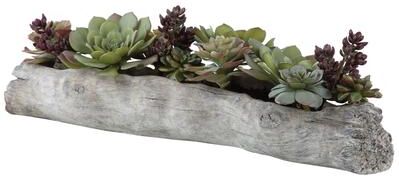
Uttermost Charita Lush SucculentsUttermost's botanicals combine premium quality materials with unique high-style design. With the advanced product engineering and packaging reinforcement, uttermost maintains some of the lowest damage rates in the industry.482,40 $*Shipping: 0,00 $Secure redirect to the provider



-
What genetic orientation?
Genetic orientation refers to the specific genetic makeup or characteristics of an individual, which can influence various traits and predispositions. This orientation is determined by the combination of genes inherited from one's parents and can impact things like physical appearance, health conditions, and even personality traits. Understanding one's genetic orientation can provide insights into potential health risks and help in making informed decisions about lifestyle choices and medical care. **
-
How does the genetic modification of the genetic information work?
Genetic modification involves altering the genetic information of an organism by introducing specific changes to its DNA. This can be done by inserting new genes, removing existing genes, or modifying the expression of certain genes. Techniques such as CRISPR-Cas9 allow for precise editing of DNA sequences, enabling scientists to target specific genes and make desired modifications. Once the genetic information has been modified, the organism's cells will start producing proteins based on the new instructions encoded in its DNA. **
-
What is the difference between genetic research and genetic engineering?
Genetic research involves studying genes and their functions to understand how they contribute to traits and diseases. It focuses on identifying genetic variations and their impact on individuals. On the other hand, genetic engineering involves manipulating genes to create new traits or modify existing ones. It is a technology that allows scientists to directly alter the genetic makeup of an organism. In essence, genetic research is about studying genes, while genetic engineering is about actively changing them. **
-
What is genetic drift?
Genetic drift is a random process that can cause changes in the gene pool of a population. It occurs when certain individuals in a population reproduce more than others, leading to the random increase or decrease in frequency of certain alleles. Genetic drift is more likely to have a significant impact on small populations, where chance events can have a greater effect on allele frequencies. Over time, genetic drift can result in the loss of genetic diversity within a population. **


What is genetic inheritance?
Genetic inheritance refers to the passing of traits and characteristics from parents to offspring through the transmission of genes. Genes are segments of DNA that contain instructions for specific traits, such as eye color or height. Offspring inherit a combination of genes from both parents, which determines their physical and biological characteristics. Genetic inheritance plays a crucial role in shaping an individual's traits and susceptibility to certain diseases. **
What is genetic variation?
Genetic variation refers to the differences in DNA sequences among individuals within a population or species. This variation can arise from mutations, genetic recombination, and gene flow. Genetic variation is important for evolution as it provides the raw material for natural selection to act upon, leading to the adaptation and diversity of species. It is also crucial for the survival of populations as it allows for resilience against changing environmental conditions. **
Top-Angebote
Products related to Genetic:
-
HomeDecorAndMore LLC Boho Cacti Tapestry Boho Cacti TapestryLooking for a stunning wall decor to liven up your large blank wall This boho cactus tapestry is just what you need. Featuring a breathtaking watercolor print of cacti, this tapestry brings the captivating beauty and free spirit of the desert into...39,97 $*Shipping: 0,00 $Secure redirect to the provider
-
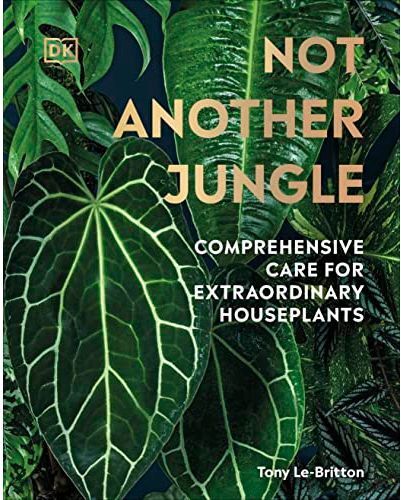
DK Not Another Jungle Comprehensive Care for Extraordinary HouseplantsObsessed with houseplants? You've come to the right place. This isn't any ordinary houseplant book. In fact, there is nothing ordinary about these extraordinary plants. From growing his own collection, Tony Le-Britton of Not Another Jungle, shows you how to grow and care for the world's most sought after plants. Detailed chapters on light, water, humidity, fertilizer, variegation, propagation, and pests and diseases have you covered so you can confidently care for all your houseplants. Understanding their natural habitats empowers you to create the optimum environment in your own home so your plants will thrive. Combining detailed care advice and stunning imagery on a wide range of plants, including Monstera and Anthurium, with a special focus on desirable and unusual varietiesIf you're intent on becoming a devoted plant parent this year, dive straight in to discover:- Step-by-step advice on everything you need to know to grow and care for houseplants. - Information on variegated plant varieties for which there is currently huge interest. - Stunning inspirational and step-by-step photography. - Illustrations explain scientific information on plant anatomy. - Explains how to source plants sustainablyAll the plants featured are available internationally and can be acquired by US readers (many plants have their origins in South America or Asia). Wonder at the natural world with Not Another Jungle and curate and care for your own incredible collection of happy, healthy houseplants.14,99 £*Shipping: 2,99 £Secure redirect to the provider
-
Tula Standard Canvas Baby Carrier - CactiJust because it's cold outside doesn't mean we can't hold onto our own little sunshine!! Adorned in desert flora and sunbursts, let's welcome our Tula Baby Carrier: 'Cacti'! Ergonomic M-position seatsupporting safe development for babys body;...149,00 $*Shipping: 0,00 $Secure redirect to the provider
-
Frances Lincoln New Wild Garden & RHS Wildlife Gardening 2 Books Collection Set – Gardening Guide CollectionNew Wild Garden Natural-style planting and practicalities By Ian Hodgson & RHS Companion To Wildlife Gardening By Chris Baines 2 Books Collection Set: New Wild Garden: Natural-style planting and practicalities: The New Wild Garden combines new approaches to a more naturalistic design with the practical side of growing wildflowers and shows how to incorporate wildflowers, real meadows and a looser prarie-style planting into gardens and wild spaces.With serious concern into the decline of pollinators and habitats, meadows are currently the focus of enormous creativity. Gardeners, wildlife lovers, professional designers and seed manufacturers are all pushing the envelope of what can be grown, the pictorial effects that can be achieved, and the benefits that this provides for gardeners and wildlife. RHS Companion to Wildlife Gardening: This best-selling book was first published as How to Make a Wildlife Garden, and launched at the 1985 Chelsea Flower Show, making wildlife a mainstream issue for gardeners and the public. Now fully revised and updated by the author, this beautiful new freshly illustrated edition highlights the changes in garden wildlife over the past 35 years.Incorporating RHS research, updated best practice and addressing a multitude of controversial conservation issues, this stunning guide is also a celebration of the rich variety of wild plants and animals that can bring a beautiful garden to life.16,49 £*Shipping: 2,99 £Secure redirect to the provider
-
How does genetic modification of genetic information work?
Genetic modification involves altering the genetic information of an organism by introducing new DNA into its genome. This can be achieved through various techniques such as gene editing using tools like CRISPR, or by introducing foreign DNA into the organism through a process called transgenesis. The new DNA can be designed to add, delete, or modify specific genes, which can result in changes to the organism's traits or characteristics. Genetic modification has the potential to create organisms with improved traits, such as increased resistance to diseases or improved nutritional content. **
-
What is the difference between genetic and genetic engineering?
Genetics refers to the study of genes, heredity, and variation in living organisms. It involves understanding how traits are passed down from one generation to the next. On the other hand, genetic engineering is the deliberate modification of an organism's genetic material using biotechnology. This can involve altering specific genes to achieve desired traits or characteristics. In essence, genetics is the study of natural genetic processes, while genetic engineering involves the intentional manipulation of genetic material for specific purposes. **
-
What genetic orientation?
Genetic orientation refers to the specific genetic makeup or characteristics of an individual, which can influence various traits and predispositions. This orientation is determined by the combination of genes inherited from one's parents and can impact things like physical appearance, health conditions, and even personality traits. Understanding one's genetic orientation can provide insights into potential health risks and help in making informed decisions about lifestyle choices and medical care. **
-
How does the genetic modification of the genetic information work?
Genetic modification involves altering the genetic information of an organism by introducing specific changes to its DNA. This can be done by inserting new genes, removing existing genes, or modifying the expression of certain genes. Techniques such as CRISPR-Cas9 allow for precise editing of DNA sequences, enabling scientists to target specific genes and make desired modifications. Once the genetic information has been modified, the organism's cells will start producing proteins based on the new instructions encoded in its DNA. **
Similar search terms for Genetic
-
Uttermost Charita Lush SucculentsUttermost's botanicals combine premium quality materials with unique high-style design. With the advanced product engineering and packaging reinforcement, uttermost maintains some of the lowest damage rates in the industry.482,40 $*Shipping: 0,00 $Secure redirect to the provider
-
DK RHS Gardening Through the Year & Small Garden Handbook 2 Book Set – Seasonal Gardening & Design GuideRHS Gardening Through the Year By Ian Spence & RHS Small Garden Handbook By Andrew Wilson 2 Books Collection Set: RHS Gardening Through the Year: Find out when the best time is for pruning rose bushes, when your potatoes will be ready to harvest, how to keep your lawn green and well-fed, and learn how to plan ahead with this comprehensive gardening book. Keep on top of garden tasks with month-by-month chapters, "Last Chance" reminders, "Get Ahead" tips, and handy to-do lists. This RHS book will make gardening easier by providing helpful guidelines and realistic advice, so you can plan out your time efficiently and effectively. Packed with beautiful photo galleries that showcase each month's "Star Plant", you'll be inspired to have your own garden blooming throughout the year! Explore more than 350 different varieties in the A-Z illustrated plant directory. RHS Small Garden Handbook: RHS Small Garden Handbook provides an all-in-one guide for small space gardeners and draws on the experience in growing, planting, landscaping and design for which the RHS is world famous. It begins by explaining how to assess your plot so that you are aware of the soil, orientation, microclimate, existing materials and proportions that you have to work with, before revealing the principles of good design. Showing how your decisions on layout, colour and texture will affect the finished design and what tricks can be played to create a greater sense of space - with everything from expert design advice on boundaries, hedges and fences to clever ideas for containers and storage - every gardener will gain confidence in creating a garden to enjoy no matter how big the plot.19,95 £*Shipping: 2,99 £Secure redirect to the provider
-
What is the difference between genetic research and genetic engineering?
Genetic research involves studying genes and their functions to understand how they contribute to traits and diseases. It focuses on identifying genetic variations and their impact on individuals. On the other hand, genetic engineering involves manipulating genes to create new traits or modify existing ones. It is a technology that allows scientists to directly alter the genetic makeup of an organism. In essence, genetic research is about studying genes, while genetic engineering is about actively changing them. **
-
What is genetic drift?
Genetic drift is a random process that can cause changes in the gene pool of a population. It occurs when certain individuals in a population reproduce more than others, leading to the random increase or decrease in frequency of certain alleles. Genetic drift is more likely to have a significant impact on small populations, where chance events can have a greater effect on allele frequencies. Over time, genetic drift can result in the loss of genetic diversity within a population. **
-
What is genetic inheritance?
Genetic inheritance refers to the passing of traits and characteristics from parents to offspring through the transmission of genes. Genes are segments of DNA that contain instructions for specific traits, such as eye color or height. Offspring inherit a combination of genes from both parents, which determines their physical and biological characteristics. Genetic inheritance plays a crucial role in shaping an individual's traits and susceptibility to certain diseases. **
-
What is genetic variation?
Genetic variation refers to the differences in DNA sequences among individuals within a population or species. This variation can arise from mutations, genetic recombination, and gene flow. Genetic variation is important for evolution as it provides the raw material for natural selection to act upon, leading to the adaptation and diversity of species. It is also crucial for the survival of populations as it allows for resilience against changing environmental conditions. **
* All prices are inclusive of VAT and, if applicable, plus shipping costs. The offer information is based on the details provided by the respective shop and is updated through automated processes. Real-time updates do not occur, so deviations can occur in individual cases. ** Note: Parts of this content were created by AI.