Buy botanicactus.com ?
We are moving the project
botanicactus.com .
Are you interested in purchasing the domain
botanicactus.com ?
domain@kv-gmbh.de · 0541-91531010
Buy botanicactus.com ?
What focal length lens do I need?
The focal length lens you need depends on the specific requirements of your photography or videography. For example, if you are shooting landscapes or architecture, a wide-angle lens with a focal length of 16mm to 35mm would be suitable. For portraits, a focal length of 85mm to 135mm would be ideal to achieve a flattering perspective. If you are shooting wildlife or sports, a telephoto lens with a focal length of 200mm to 400mm would be necessary to capture distant subjects. Consider your shooting style and subject matter to determine the appropriate focal length lens for your needs. **
How old is the progressive lens glasses?
Progressive lens glasses were first invented in the late 20th century, with the first commercially available progressive lenses introduced in the 1950s. This means that progressive lens glasses are around 70 years old. Over the years, there have been advancements in technology and design, making progressive lenses more comfortable and effective for individuals with presbyopia. **

Similar search terms for Multi-Focal-Progressive-Lens
Top-Angebote
Products related to Multi-Focal-Progressive-Lens:
-
Tactical Multi Lens Ballistic Protection And Vision Hub grey Lens BlackEstablish a high level of ocular safety with this High Performance Visual Defense Utility. Engineered with a Reinforced Polymeric Structural Shield and a specialized three lens interchangeable frame, these goggles are designed to provide a...34,97 $*Shipping: 0,00 $Secure redirect to the provider
-
CPL Polarizing Camera Lens Filter Multi Size 58mmProduct Description: Enhance your photography with this highquality CPL polarizing lens filter, designed to reduce glare and improve color clarity. Perfect for outdoor shooting, it delivers richer skies, reduced reflections, and sharper images for...57,97 $*Shipping: 0,00 $Secure redirect to the provider
-
Tactical Multi Lens Ballistic Protection And Vision Hub grey Lens KhakiEstablish a high level of ocular safety with this High Performance Visual Defense Utility. Engineered with a Reinforced Polymeric Structural Shield and a specialized three lens interchangeable frame, these goggles are designed to provide a...34,97 $*Shipping: 0,00 $Secure redirect to the provider
-
Tactical Multi Lens Ballistic Protection And Vision Hub 3 Lens BlackEstablish a high level of ocular safety with this High Performance Visual Defense Utility. Engineered with a Reinforced Polymeric Structural Shield and a specialized three lens interchangeable frame, these goggles are designed to provide a...44,97 $*Shipping: 0,00 $Secure redirect to the provider


-
Why does the progressive lens glasses slip?
Progressive lens glasses may slip due to a few reasons. One common reason is that the frames may not fit properly, causing them to slide down the nose. Another reason could be the weight of the lenses, especially if they are larger or heavier, causing the glasses to slip. Additionally, natural oils and sweat on the skin can also contribute to the glasses slipping. It's important to ensure that the glasses are properly fitted and adjusted to minimize slipping. **
-
What is the difference between the focal point of a converging lens and the virtual focal point of a diverging lens?
The focal point of a converging lens is the point where parallel rays of light converge after passing through the lens. This focal point is real and can be located on the opposite side of the lens from the object. On the other hand, the virtual focal point of a diverging lens is the point from which the diverging rays of light appear to originate when extended backward. This virtual focal point is not a physical point where light actually converges but is a theoretical point used in ray diagrams to trace the path of light rays. **
-
Why does each converging lens have two focal points?
Each converging lens has two focal points because of the way light rays are refracted as they pass through the lens. When parallel rays of light pass through a converging lens, they are bent and converge to a point on the other side of the lens. This point is called the primary focal point. However, due to the symmetrical shape of the lens, light rays can also be traced back to a point on the same side of the lens, which is called the secondary focal point. This is why each converging lens has two focal points. **
-
How long is the focal length of this lens?
The focal length of the lens in the image appears to be 50mm. This can be determined by the markings on the lens barrel, which indicate the focal length. The focal length of a lens is the distance between the lens and the image sensor when the subject is in focus, and it is an important factor in determining the field of view and magnification of the lens. **


What is the focal length of a converging lens?
The focal length of a converging lens is the distance from the lens to the point where parallel rays of light converge after passing through the lens. It is a measure of the lens's ability to bend light and bring it to a focus. The focal length is a key parameter in determining the magnification and image formation characteristics of the lens. **
What is the problem with a progressive lens glasses?
Progressive lens glasses can be challenging for some people to adjust to because they have different prescriptions in different areas of the lens. This can cause distortion and difficulty with depth perception, especially when looking at objects in the periphery. Some wearers may also experience dizziness or headaches as they adapt to the new way of seeing through the progressive lenses. Additionally, the cost of progressive lens glasses can be higher than traditional single vision lenses. **
Top-Angebote
Products related to Multi-Focal-Progressive-Lens:
-
Multi Focal Progressive Lens Tester Precision Lens Mark Reader Multi Focal Progressive Lens Tester Precision Lens Mark ReaderExperience flawless lens inspection with the 1 pc of Multi Focal Progressive Lens Tester, designed for opticians, eyewear professionals, and quality control specialists. This powerful 60W device ensures precise detection of lens marks, helping you...239,97 $*Shipping: 0,00 $Secure redirect to the provider
-
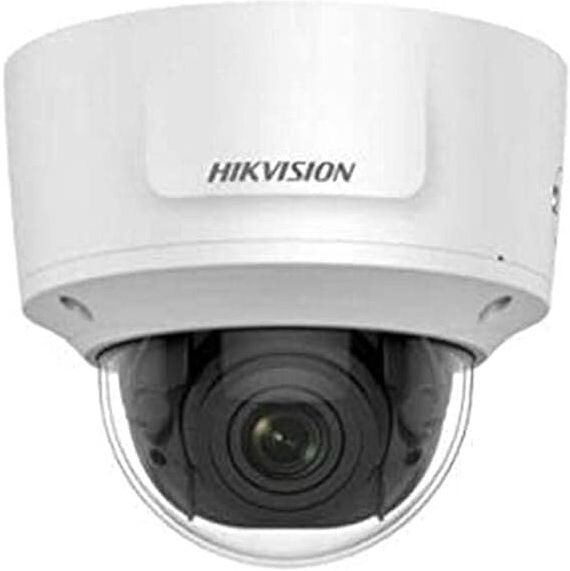
Focal-JMlab HikVision 4MP Exir Vari-Focal Dome Network Camera - Weatherproof, HD Video, H.265+, 2.8-12mm Lens, Used - Like NewStep into professional-grade surveillance with the HikVision 4MP EXIR Vari-Focal Dome Network Camera , a powerful CCTV solution engineered for high-performance security monitoring. Designed for both commercial and residential use, this advanced dome camera delivers crystal-clear HD video, intelligent compression, and flexible viewing angles—making it a reliable alternative to traditional CCTV systems. ✔️ 4MP HD Resolution – Capture sharp, detailed footage with high clarity for accurate monitoring and evidence ✔️ 2.8–12mm Motorized Varifocal Lens – Adjustable zoom and focus for flexible coverage, from wide-angle to detailed close-ups ✔️ EXIR Infrared Night Vision – Advanced IR technology for clear visibility even in complete darkness, with extended range ✔️ H.265+ Compression – Efficient video storage and bandwidth usage without compromising image quality ✔️ Wide Dynamic Range (WDR) – Balanced exposure in bright and dark areas for clear images in challenging lighting conditions ✔️ Weatherproof & Vandal-Resistant – IP67-rated for outdoor use and IK10-rated for impact protection ✔️ Smart Detection Features – Advanced analytics for motion detection and human/vehicle classification (select models) ✔️ Flexible Installation – Dome design with adjustable angles for ceiling or wall mounting ✔️ Local Storage Support – Compatible with microSD cards (up to 256GB) for onboard recording ✔️ Power Options – Supports PoE (Power over Ethernet) or 12V DC for simplified installation The HikVision 4MP EXIR Vari-Focal Dome Network Camera is built for users who need reliable, high-quality surveillance with advanced features and flexibility. Whether you're securing a shop, office, or home, this camera offers powerful performance, smart monitoring capabilities, and durable construction—ensuring peace of mind with professional-level security.167,99 £*Shipping: 0,00 £Secure redirect to the provider
-
Tactical Multi Lens Ballistic Protection And Vision Hub grey Lens BlackEstablish a high level of ocular safety with this High Performance Visual Defense Utility. Engineered with a Reinforced Polymeric Structural Shield and a specialized three lens interchangeable frame, these goggles are designed to provide a...34,97 $*Shipping: 0,00 $Secure redirect to the provider
-
CPL Polarizing Camera Lens Filter Multi Size 58mmProduct Description: Enhance your photography with this highquality CPL polarizing lens filter, designed to reduce glare and improve color clarity. Perfect for outdoor shooting, it delivers richer skies, reduced reflections, and sharper images for...57,97 $*Shipping: 0,00 $Secure redirect to the provider
-
What focal length lens do I need?
The focal length lens you need depends on the specific requirements of your photography or videography. For example, if you are shooting landscapes or architecture, a wide-angle lens with a focal length of 16mm to 35mm would be suitable. For portraits, a focal length of 85mm to 135mm would be ideal to achieve a flattering perspective. If you are shooting wildlife or sports, a telephoto lens with a focal length of 200mm to 400mm would be necessary to capture distant subjects. Consider your shooting style and subject matter to determine the appropriate focal length lens for your needs. **
-
How old is the progressive lens glasses?
Progressive lens glasses were first invented in the late 20th century, with the first commercially available progressive lenses introduced in the 1950s. This means that progressive lens glasses are around 70 years old. Over the years, there have been advancements in technology and design, making progressive lenses more comfortable and effective for individuals with presbyopia. **
-
Why does the progressive lens glasses slip?
Progressive lens glasses may slip due to a few reasons. One common reason is that the frames may not fit properly, causing them to slide down the nose. Another reason could be the weight of the lenses, especially if they are larger or heavier, causing the glasses to slip. Additionally, natural oils and sweat on the skin can also contribute to the glasses slipping. It's important to ensure that the glasses are properly fitted and adjusted to minimize slipping. **
-
What is the difference between the focal point of a converging lens and the virtual focal point of a diverging lens?
The focal point of a converging lens is the point where parallel rays of light converge after passing through the lens. This focal point is real and can be located on the opposite side of the lens from the object. On the other hand, the virtual focal point of a diverging lens is the point from which the diverging rays of light appear to originate when extended backward. This virtual focal point is not a physical point where light actually converges but is a theoretical point used in ray diagrams to trace the path of light rays. **
Similar search terms for Multi-Focal-Progressive-Lens
-
Tactical Multi Lens Ballistic Protection And Vision Hub grey Lens KhakiEstablish a high level of ocular safety with this High Performance Visual Defense Utility. Engineered with a Reinforced Polymeric Structural Shield and a specialized three lens interchangeable frame, these goggles are designed to provide a...34,97 $*Shipping: 0,00 $Secure redirect to the provider
-
Tactical Multi Lens Ballistic Protection And Vision Hub 3 Lens BlackEstablish a high level of ocular safety with this High Performance Visual Defense Utility. Engineered with a Reinforced Polymeric Structural Shield and a specialized three lens interchangeable frame, these goggles are designed to provide a...44,97 $*Shipping: 0,00 $Secure redirect to the provider
-
Tactical Multi Lens Ballistic Protection And Vision Hub 3 Lens GreenEstablish a high level of ocular safety with this High Performance Visual Defense Utility. Engineered with a Reinforced Polymeric Structural Shield and a specialized three lens interchangeable frame, these goggles are designed to provide a...44,97 $*Shipping: 0,00 $Secure redirect to the provider
-
CPL Polarizing Camera Lens Filter Multi Size 55mmProduct Description: Enhance your photography with this highquality CPL polarizing lens filter, designed to reduce glare and improve color clarity. Perfect for outdoor shooting, it delivers richer skies, reduced reflections, and sharper images for...55,97 $*Shipping: 0,00 $Secure redirect to the provider
-
Why does each converging lens have two focal points?
Each converging lens has two focal points because of the way light rays are refracted as they pass through the lens. When parallel rays of light pass through a converging lens, they are bent and converge to a point on the other side of the lens. This point is called the primary focal point. However, due to the symmetrical shape of the lens, light rays can also be traced back to a point on the same side of the lens, which is called the secondary focal point. This is why each converging lens has two focal points. **
-
How long is the focal length of this lens?
The focal length of the lens in the image appears to be 50mm. This can be determined by the markings on the lens barrel, which indicate the focal length. The focal length of a lens is the distance between the lens and the image sensor when the subject is in focus, and it is an important factor in determining the field of view and magnification of the lens. **
-
What is the focal length of a converging lens?
The focal length of a converging lens is the distance from the lens to the point where parallel rays of light converge after passing through the lens. It is a measure of the lens's ability to bend light and bring it to a focus. The focal length is a key parameter in determining the magnification and image formation characteristics of the lens. **
-
What is the problem with a progressive lens glasses?
Progressive lens glasses can be challenging for some people to adjust to because they have different prescriptions in different areas of the lens. This can cause distortion and difficulty with depth perception, especially when looking at objects in the periphery. Some wearers may also experience dizziness or headaches as they adapt to the new way of seeing through the progressive lenses. Additionally, the cost of progressive lens glasses can be higher than traditional single vision lenses. **
* All prices are inclusive of VAT and, if applicable, plus shipping costs. The offer information is based on the details provided by the respective shop and is updated through automated processes. Real-time updates do not occur, so deviations can occur in individual cases. ** Note: Parts of this content were created by AI.