Buy botanicactus.com ?
We are moving the project
botanicactus.com .
Are you interested in purchasing the domain
botanicactus.com ?
domain@kv-gmbh.de · 0541-91531010
Buy botanicactus.com ?
What is the difference between potato starch and corn starch?
Potato starch is derived from potatoes, while corn starch is derived from corn. Potato starch has a slightly higher amylose content compared to corn starch, which can affect its thickening properties. Additionally, potato starch is often preferred for gluten-free recipes due to its neutral flavor, while corn starch can impart a slightly sweet taste. **
Is tapioca starch toxic?
Tapioca starch is generally considered safe for consumption and is not toxic. It is derived from the cassava root and is commonly used as a thickening agent in cooking and baking. However, like any food product, it is important to consume tapioca starch in moderation as part of a balanced diet. **


Similar search terms for Starch
Top-Angebote
Products related to Starch:
-
HomeDecorAndMore LLC Boho Cacti Tapestry Boho Cacti TapestryLooking for a stunning wall decor to liven up your large blank wall This boho cactus tapestry is just what you need. Featuring a breathtaking watercolor print of cacti, this tapestry brings the captivating beauty and free spirit of the desert into...39,97 $*Shipping: 0,00 $Secure redirect to the provider
-
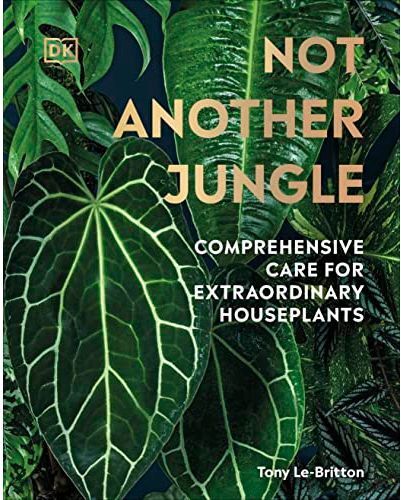
DK Not Another Jungle Comprehensive Care for Extraordinary HouseplantsObsessed with houseplants? You've come to the right place. This isn't any ordinary houseplant book. In fact, there is nothing ordinary about these extraordinary plants. From growing his own collection, Tony Le-Britton of Not Another Jungle, shows you how to grow and care for the world's most sought after plants. Detailed chapters on light, water, humidity, fertilizer, variegation, propagation, and pests and diseases have you covered so you can confidently care for all your houseplants. Understanding their natural habitats empowers you to create the optimum environment in your own home so your plants will thrive. Combining detailed care advice and stunning imagery on a wide range of plants, including Monstera and Anthurium, with a special focus on desirable and unusual varietiesIf you're intent on becoming a devoted plant parent this year, dive straight in to discover:- Step-by-step advice on everything you need to know to grow and care for houseplants. - Information on variegated plant varieties for which there is currently huge interest. - Stunning inspirational and step-by-step photography. - Illustrations explain scientific information on plant anatomy. - Explains how to source plants sustainablyAll the plants featured are available internationally and can be acquired by US readers (many plants have their origins in South America or Asia). Wonder at the natural world with Not Another Jungle and curate and care for your own incredible collection of happy, healthy houseplants.14,99 £*Shipping: 2,99 £Secure redirect to the provider



-
Is aluminum starch octenylsuccinate dangerous?
Aluminum starch octenylsuccinate is generally considered safe for use in cosmetics and personal care products. It is commonly used as an absorbent and anticaking agent in products like powders, makeup, and skincare items. However, some individuals may be sensitive or allergic to this ingredient, so it is always recommended to perform a patch test before using products containing aluminum starch octenylsuccinate. Overall, when used as intended and in appropriate concentrations, aluminum starch octenylsuccinate is not considered dangerous. **
-
What is starch made from?
Starch is made from glucose molecules that are linked together in long chains. It is a complex carbohydrate that is produced by plants through photosynthesis. Starch is commonly found in foods such as potatoes, rice, wheat, and corn, where it serves as a source of energy for both the plant and the organisms that consume it. **
-
How are starch molecules formed?
Starch molecules are formed through a process called photosynthesis in plants. During photosynthesis, plants use sunlight to convert carbon dioxide and water into glucose, a simple sugar. Glucose molecules are then linked together through a series of chemical reactions to form starch molecules, which are used by the plant as a long-term energy storage. The starch molecules are stored in the form of granules in plant cells, such as in seeds, tubers, and grains. **
-
How is plastic made from starch?
Plastic made from starch is typically produced through a process called extrusion. In this process, starch is mixed with plasticizers and other additives to create a starch-based polymer. The mixture is then heated and extruded through a die to form the desired shape of the plastic product. The starch-based plastic can be further processed and molded into various items such as packaging materials, utensils, and even biodegradable bags. **


How can arrowroot starch be replaced?
Arrowroot starch can be replaced with an equal amount of cornstarch, potato starch, or tapioca starch in most recipes. These substitutes have similar thickening properties and can be used in a 1:1 ratio. However, keep in mind that the flavor and texture of the final dish may vary slightly depending on the substitute used. It's best to experiment with different starches to find the one that works best for your specific recipe. **
Where is starch stored in plants?
Starch is stored in plants in the form of granules within specialized storage structures such as roots, tubers, and seeds. In roots and tubers, starch is stored in specialized cells called amyloplasts, which are responsible for synthesizing and storing starch. In seeds, starch is stored in the endosperm, which provides nourishment for the developing plant embryo. Overall, starch serves as an important energy reserve for plants, providing the necessary fuel for growth and development. **
Top-Angebote
Products related to Starch:
-
Uplifted Goods Silicone Sport Watch Band lotus Root Starch mi Band 7Add comfort and style to your smartwatch with this soft silicone sport band. Designed for durability and flexibility, it provides a secure fit for daily wear, workouts, and outdoor activities. Its lightweight feel makes it perfect for all day...34,97 $*Shipping: 0,00 $Secure redirect to the provider
-
Inspired Living 500 Piece Magic Corn Building Blocks Set, Water Activated Corn Starch Craft Kit For Kids 500 Piece Magic Corn Building Blocks Set, Water Activated Corn Starch Craft Kit For KidsBring big imagination to little hands with a creative toy that feels like magic. This colorful building set uses tiny cornbased pieces that stick together with just a touch of waterno glue, no mess, and no frustration. Designed for curious kids, it...23,97 $*Shipping: 0,00 $Secure redirect to the provider
-
HomeDecorAndMore LLC Boho Cacti Tapestry Boho Cacti TapestryLooking for a stunning wall decor to liven up your large blank wall This boho cactus tapestry is just what you need. Featuring a breathtaking watercolor print of cacti, this tapestry brings the captivating beauty and free spirit of the desert into...39,97 $*Shipping: 0,00 $Secure redirect to the provider
-
DK Not Another Jungle Comprehensive Care for Extraordinary HouseplantsObsessed with houseplants? You've come to the right place. This isn't any ordinary houseplant book. In fact, there is nothing ordinary about these extraordinary plants. From growing his own collection, Tony Le-Britton of Not Another Jungle, shows you how to grow and care for the world's most sought after plants. Detailed chapters on light, water, humidity, fertilizer, variegation, propagation, and pests and diseases have you covered so you can confidently care for all your houseplants. Understanding their natural habitats empowers you to create the optimum environment in your own home so your plants will thrive. Combining detailed care advice and stunning imagery on a wide range of plants, including Monstera and Anthurium, with a special focus on desirable and unusual varietiesIf you're intent on becoming a devoted plant parent this year, dive straight in to discover:- Step-by-step advice on everything you need to know to grow and care for houseplants. - Information on variegated plant varieties for which there is currently huge interest. - Stunning inspirational and step-by-step photography. - Illustrations explain scientific information on plant anatomy. - Explains how to source plants sustainablyAll the plants featured are available internationally and can be acquired by US readers (many plants have their origins in South America or Asia). Wonder at the natural world with Not Another Jungle and curate and care for your own incredible collection of happy, healthy houseplants.14,99 £*Shipping: 2,99 £Secure redirect to the provider
-
What is the difference between potato starch and corn starch?
Potato starch is derived from potatoes, while corn starch is derived from corn. Potato starch has a slightly higher amylose content compared to corn starch, which can affect its thickening properties. Additionally, potato starch is often preferred for gluten-free recipes due to its neutral flavor, while corn starch can impart a slightly sweet taste. **
-
Is tapioca starch toxic?
Tapioca starch is generally considered safe for consumption and is not toxic. It is derived from the cassava root and is commonly used as a thickening agent in cooking and baking. However, like any food product, it is important to consume tapioca starch in moderation as part of a balanced diet. **
-
Is aluminum starch octenylsuccinate dangerous?
Aluminum starch octenylsuccinate is generally considered safe for use in cosmetics and personal care products. It is commonly used as an absorbent and anticaking agent in products like powders, makeup, and skincare items. However, some individuals may be sensitive or allergic to this ingredient, so it is always recommended to perform a patch test before using products containing aluminum starch octenylsuccinate. Overall, when used as intended and in appropriate concentrations, aluminum starch octenylsuccinate is not considered dangerous. **
-
What is starch made from?
Starch is made from glucose molecules that are linked together in long chains. It is a complex carbohydrate that is produced by plants through photosynthesis. Starch is commonly found in foods such as potatoes, rice, wheat, and corn, where it serves as a source of energy for both the plant and the organisms that consume it. **
Similar search terms for Starch
-
Frances Lincoln New Wild Garden & RHS Wildlife Gardening 2 Books Collection Set – Gardening Guide CollectionNew Wild Garden Natural-style planting and practicalities By Ian Hodgson & RHS Companion To Wildlife Gardening By Chris Baines 2 Books Collection Set: New Wild Garden: Natural-style planting and practicalities: The New Wild Garden combines new approaches to a more naturalistic design with the practical side of growing wildflowers and shows how to incorporate wildflowers, real meadows and a looser prarie-style planting into gardens and wild spaces.With serious concern into the decline of pollinators and habitats, meadows are currently the focus of enormous creativity. Gardeners, wildlife lovers, professional designers and seed manufacturers are all pushing the envelope of what can be grown, the pictorial effects that can be achieved, and the benefits that this provides for gardeners and wildlife. RHS Companion to Wildlife Gardening: This best-selling book was first published as How to Make a Wildlife Garden, and launched at the 1985 Chelsea Flower Show, making wildlife a mainstream issue for gardeners and the public. Now fully revised and updated by the author, this beautiful new freshly illustrated edition highlights the changes in garden wildlife over the past 35 years.Incorporating RHS research, updated best practice and addressing a multitude of controversial conservation issues, this stunning guide is also a celebration of the rich variety of wild plants and animals that can bring a beautiful garden to life.16,49 £*Shipping: 2,99 £Secure redirect to the provider
-
Uplifted Goods Silicone Sport Watch Band lotus Root Starch mi Band 3 And 4Add comfort and style to your smartwatch with this soft silicone sport band. Designed for durability and flexibility, it provides a secure fit for daily wear, workouts, and outdoor activities. Its lightweight feel makes it perfect for all day...34,97 $*Shipping: 0,00 $Secure redirect to the provider
-
How are starch molecules formed?
Starch molecules are formed through a process called photosynthesis in plants. During photosynthesis, plants use sunlight to convert carbon dioxide and water into glucose, a simple sugar. Glucose molecules are then linked together through a series of chemical reactions to form starch molecules, which are used by the plant as a long-term energy storage. The starch molecules are stored in the form of granules in plant cells, such as in seeds, tubers, and grains. **
-
How is plastic made from starch?
Plastic made from starch is typically produced through a process called extrusion. In this process, starch is mixed with plasticizers and other additives to create a starch-based polymer. The mixture is then heated and extruded through a die to form the desired shape of the plastic product. The starch-based plastic can be further processed and molded into various items such as packaging materials, utensils, and even biodegradable bags. **
-
How can arrowroot starch be replaced?
Arrowroot starch can be replaced with an equal amount of cornstarch, potato starch, or tapioca starch in most recipes. These substitutes have similar thickening properties and can be used in a 1:1 ratio. However, keep in mind that the flavor and texture of the final dish may vary slightly depending on the substitute used. It's best to experiment with different starches to find the one that works best for your specific recipe. **
-
Where is starch stored in plants?
Starch is stored in plants in the form of granules within specialized storage structures such as roots, tubers, and seeds. In roots and tubers, starch is stored in specialized cells called amyloplasts, which are responsible for synthesizing and storing starch. In seeds, starch is stored in the endosperm, which provides nourishment for the developing plant embryo. Overall, starch serves as an important energy reserve for plants, providing the necessary fuel for growth and development. **
* All prices are inclusive of VAT and, if applicable, plus shipping costs. The offer information is based on the details provided by the respective shop and is updated through automated processes. Real-time updates do not occur, so deviations can occur in individual cases. ** Note: Parts of this content were created by AI.